


Omotenashi - What is it?


The term ‘Omotenashi’ originates from the Japanese verb motenasu, which means to look after or entertain. Essentially, this refers to the Japanese tradition of ensuring whole-hearted hospitality and the care of guests. This attentiveness and selflessness highlight the priority for a hospitality-centred mindset.
In comparison with customer service, which is commonly motivated by the hope of receiving tips, omotenashi means they do not expect anything in return and focus purely on the comfort of customers. This reflects their respect for customers rather than a prioritisation of financial benefits. For this reason, Japanese customer service is considered the best in the world!
But where did this focus come from?

A brief history
Omotenashi was first introduced within the Heian period (794- 1185), which was considered the golden age of classical Japanese culture, marking the transition from ancient to mediaeval Japan. During this time, the Heian court valued flawless manners and maturity, which reflected the Buddhist philosophy of treasuring all human encounters with sincerity.
Sen no Rikyū was known as the historical master of the tea ceremony. These rituals were created to hold a welcoming space for visitors while they were served matcha, produced from young tea leaves. He aimed to create a unique experience by using minimalistic, small rooms to create an intimate atmosphere. Moreover, the host constantly considers the guest with every moment to treat the encounter as if it were a once-in-a-lifetime experience (Ichigo ichie). The most important part of the ceremony is when the host prepares a bowl of tea from their ‘heart’ to establish a spiritual connection. This tradition still exists today and has expanded into different aspects of Japanese life.
However, one way that Japan has adapted to modern-day life is through the decline in over-attentiveness and more prioritisation and balance for privacy. Therefore, now there is more respect for personal space, as this is what creates more comfort for others, especially in a busy setting. Moreover, this includes ensuring no inconvenience, which leads to shorter and quieter conversations in public.

Omotenashi is everywhere
From the complimentary iced water served at restaurants to the welcome of ‘irasshaimase’ as soon as you enter a store, the most compassionate hospitality exists during myriad interactions in Japan. In restaurants, oshiboris are handed out, which are steaming hot towels used to wipe your hands before a meal. Additionally, upon entering stores, plastic bags are provided for umbrellas to protect any purchases from damage. Therefore, all of these acts of service are designed to ensure a lack of discomfort or unhappiness for others and to guarantee the most pleasant experience.
While most care is expressed through the polite bow or expression of gratitude, services have also been designed to ensure the most efficient and relaxed experience. For example, almost all taxi doors open automatically, allowing customers to stay seated right till the end of the journey, until the doors are opened. Therefore, this removes the physical burden on passengers and allows them to have a comfortable experience from the beginning to the end of the ride. Similarly, all public bathrooms are sufficiently cleaned as well as being thoughtfully designed with automatic features and customisable controls for maximum comfort.

The introduction and expansion of technology have allowed these luxury functions to be put into practice. Another example includes the punctuality of trains: the accuracy of train times avoids any inconvenience to others. However, on the rare occasion that trains are delayed, Japan makes delayed tickets accessible. Consequently, this allows everyone to travel efficiently and arrive with ease.
One misconception of omotenashi is that the high quality of respect and service only exists in high-end hotels. However, this hospitality exists within any service or encounter in Japan. Therefore, this makes all encounters enjoyable, big or small.
Additionally, during earthquakes, there is a considerable amount of selflessness from the community. For example, there are frequent volunteers who help foreigners during an earthquake who may need assistance, such as informing them of the safest places to be. Similarly, in cases of more severe earthquakes, people patiently queue and collect an appropriate amount of supplies to ensure everyone is adequately prepared. This highlights thoughtful attitudes through the act of helping others before themself.

Omotenashi shapes Japan’s cultural identity
The process of omotenashi has benefited Japan with its effect on increased trust within communities and an efficient structure. The tea ceremony influenced this, as the ceremony encouraged guests to treat the encounter as unique and deserving of respect. Therefore, this has reflected on the increase in trust within public spaces, such as the encouragement of queues and the cleanliness of public spaces.
In relation to services such as restaurants, omotenashi has influenced the notion of anticipating customers' needs without asking, and not expecting anything in return. For this reason, in comparison with Western countries, in Japan,most staff do not accept tips. This highlights the value of the focus on the needs of customers rather than on reciprocity.
However, as Japan is adapting to modern society, some individuals are starting to accept tips. Those that do accept tips usually declare this as it is still not common in Japan.
Consequently, this has emphasised the importance of consideration and generosity, making Japan a more holistic and safer country. Due to the introduction of omotenashi, Japan is now widely recognised for its cultural values, shaping a positive global image.

My experience
After only a week in Japan, I can say with confidence that the generosity I have experienced has already had such a positive impact on my stay. Additionally, this has formed such an admired perspective of the country as a whole. This reveals how such small acts of kindness and consideration can have such a monumental impact on the rest of society through its motive for respect and selflessness. The awareness of the consideration within Japan has given me more comfort when entering restaurants and shops, which can be daunting in a new country. I have never been greeted with this amount of warmth and kindness from strangers until arriving in Japan.
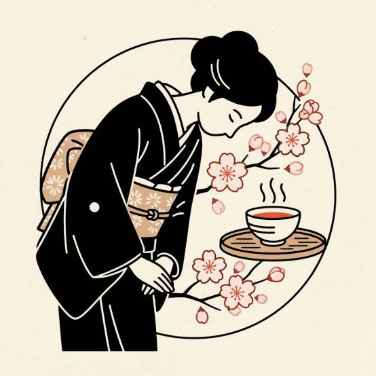
Overall, omotenashi is so much more than excellent customer service; it is a profound amount of sincerity and hospitality that makes Japan a unique and admirable country. From its roots of traditional tea ceremonies, omotenashi has evolved and grown into different forms of acts of consideration.
The rest of the world should take inspiration from Japan’s cultural philosophies.
Sources:
Picture sources
https://stock.adobe.com/ Asset ID #85071167


コメント