


Yayoi Matsuri: Welcoming Spring in the Historic City of Nikko


Every spring, the city of Nikko comes alive with music, color, and centuries-old traditions during the Yayoi Festival (弥生祭). Held for over 1,200 years, this spectacular festival celebrates the arrival of spring and prays for good fortune in the year ahead. Taking place at Futarasan Shrine (日光二荒山神社 ) in Tochigi Prefecture, the festival is one of Nikko’s most treasured cultural events and a wonderful opportunity to experience one of Japan’s oldest living traditions. Yayoi Matsuri
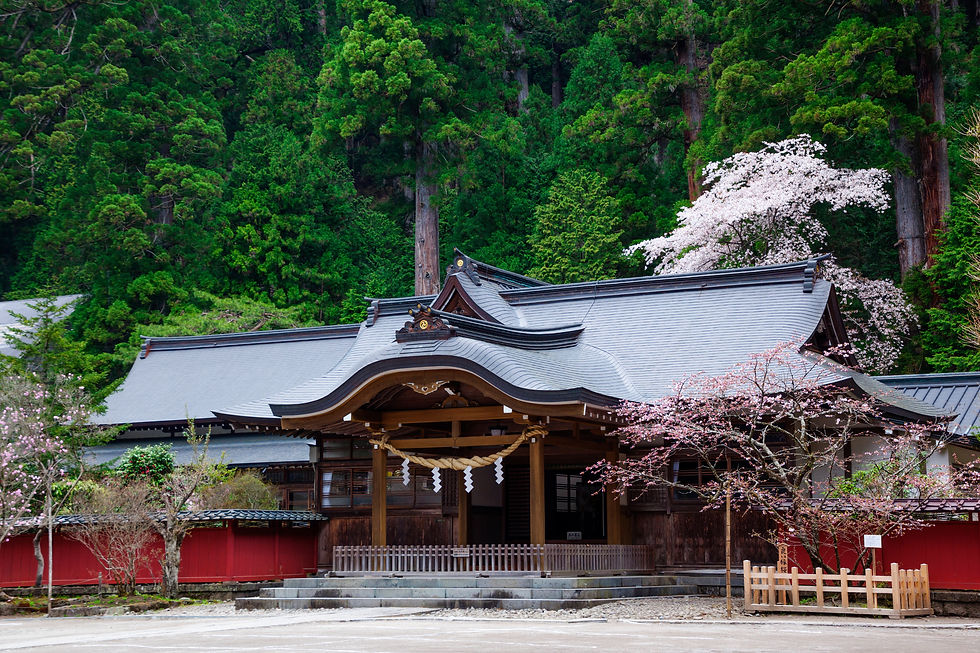
The festival is held annually from April 13 to April 17 at Futarasan Shrine in the historic city of Nikko in Tochigi Prefecture, a place also closely connected to Tokugawa Ieyasu, one of Japan’s greatest shoguns.
A Festival Rooted in Tradition Yayoi Matsuri
The Yayoi Festival officially begins on April 13. Richly decorated portable shrines, called mikoshi, from the Honsha, Takiou, and Hongu Shrines lead the procession. While each day includes important rituals and ceremonies honoring the gods, the most exciting events take place on the last two days: April 16 and 17.

One of the most exciting parts of the Yayoi Festival takes place on April 16 and 17, when eleven neighborhoods from eastern and western Nikko proudly bring out their elaborately embellished floats known as hanayatai. These colorful floats are filled with artificial Yashio azaleas and travel through the city alongside traditional music groups, filling the streets with festive energy and lively sounds.

When the floats arrive at Futarasan Shrine, representatives from each neighborhood exchange greetings and name cards while traditional Japanese festival music known as hayashi is performed. This special custom has been carefully preserved for generations and continues to bring the local community together today.

On the evening of April 16, the festival’s most anticipated event, the Grand Festival, takes place. Families and visitors gather to watch the stunning parade of floats glowing with lanterns as they move through the streets of Nikko. A special ceremony featuring a hand-clapping ritual is also held at the famous Shinkyo Bridge.

The festival reaches its spectacular peak on April 17, when the enormous floats are pushed up the shrine’s stone steps (sando), the steep approach path to the shrine. Led by members of Ishiya-machi, the town in charge of that year’s festival, the crowd joins in with energetic chants. The atmosphere is filled with excitement and a strong sense of community as everyone works together in a powerful display of unity. If you are lucky, visitors may even get the rare chance to ride on the floats.
A Festival with Over 1,200 Years of History
The Yayoi Festival is believed to date back to the Jingokeiun era (767–770), when it first began as a ritual to celebrate the changing seasons. The name “Yayoi” comes from the third month of the old lunar calendar in Japan, which was a time that was traditionally associated with the arrival of spring and the blooming of nature. Although Japan adopted the Gregorian calendar in 1873, the festival has continued to be held in its original spirit while preserving its long-standing traditions to this day.
The Yayoi Festival is especially known for preserving its traditional rituals, which have been passed down unchanged for generations. This strong commitment to tradition is also why it is known by several names. It is sometimes called the “Gota Festival,” with “gota” referring to trouble or disputes, based on the belief that even small changes to the rituals could bring misfortune to the community. It is also known as the “Quarrel Festival,” a name that reflects the intense energy and passion of its participants.
How to Get There
From Nikko Area, here’s how to reach Futarasan Shrine:
From Nikko Station / Tobu Nikko Station
About a 10-minute taxi ride
About a 45-minute walk through town
About a 15-minute ride via World Heritage Tour Bus
Route included major UNESCO World Heritage sites, such as Futarasan Shrine
From Tokyo Area, here’s how to reach Nikko Area:
From Tobu Asakusa Station (Tokyo)
About 2 to 3 hours by train
¥1,400 to ¥3,540 one way
Trains depart every 15 minutes to 1 hour
Limited express: about 2 hours (faster, more expensive, reserved seats)
Route: Tobu Asakusa Station to Tobu-Nikko Station
Not covered by JR Pass but Tobu passes are available
By JR (Japan Railways)
About 2 hours total
Around ¥5,500 one way
Trains depart every hour
Route: Tokyo or Ueno to Utsunomiya (Shinkansen) to JR Nikko Line
Covered by JR Pass

Why You Should Visit the Yayoi Festival
Steeped in history and cultural significance, the Yayoi Festival offers visitors a rare chance to experience traditional Japan in an authentic and exciting way. From the beautifully decorated floats and lively music to the deep sense of community spirit, every part of the festival reflects the traditions that have kept it alive for over a millennium.
If you plan to visit Nikko in spring, the Yayoi Festival is an event you should not miss. It is not only a celebration of the season but also a powerful reminder of Japan’s rich cultural heritage.
Picture Sources:
https://cms.japanistry.com/wp-content/uploads/2018/11/Nikko-Yayoi-Festival.jpg (cropped)
https://www.nikko-kankou.org/storage/post_picture/20231018143650_4-7.jpg
https://image.omatsurijapan.com/articleimg/2023/04/f927b4a5-img_1905-scaled.jpg
https://www.nikko-kankou.org/storage/post_picture/20231018143235_26-4.jpg
https://www.nikko-kankou.org/storage/post_picture/20231018143240_26-5.jpg
https://kitakan-navi.jp/wp-content/uploads/2017/04/PICKH20170418_01001000100100005_sm.jpg
https://www.nikko-kankou.org/storage/post_picture/20231018143233_26-3.jpg
Sources:


コメント